

Mediterranean cooking is a way of thinking about flavor. It's built on a handful of honest ingredients, a few reliable techniques, and the kind of bold, bright results that make a weeknight dinner feel special. If you've been curious about where to start, this is your guide.
Jump to:
What Is Mediterranean Cooking, Really?
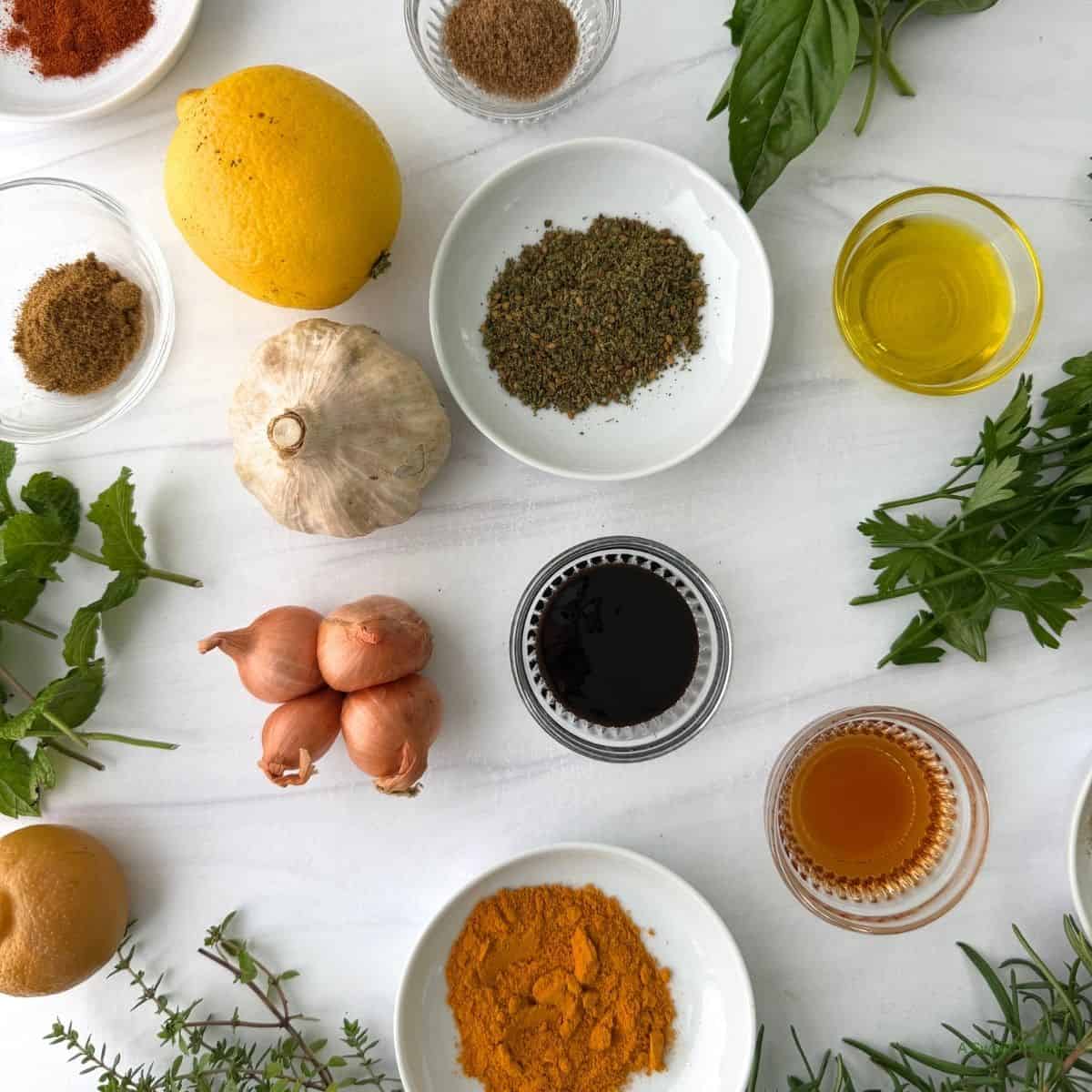
The Mediterranean region stretches from southern Europe through North Africa and into the Middle East - Greece, Italy, Spain, Lebanon, Morocco, Israel. The cuisines are distinct, but they share a common language: olive oil as the foundation, acid to lift every dish, legumes as a staple, fresh vegetables in abundance, and herbs used generously rather than sparingly.
What ties it all together isn't a rulebook. It's an instinct to layer flavor, finish with brightness, and let good ingredients do the work.
The 5 Flavor Pillars
Before you cook a single recipe, understand these five elements. They show up in almost every Mediterranean dish, and learning to use them well is what separates a good result from a great one.
1. Olive Oil
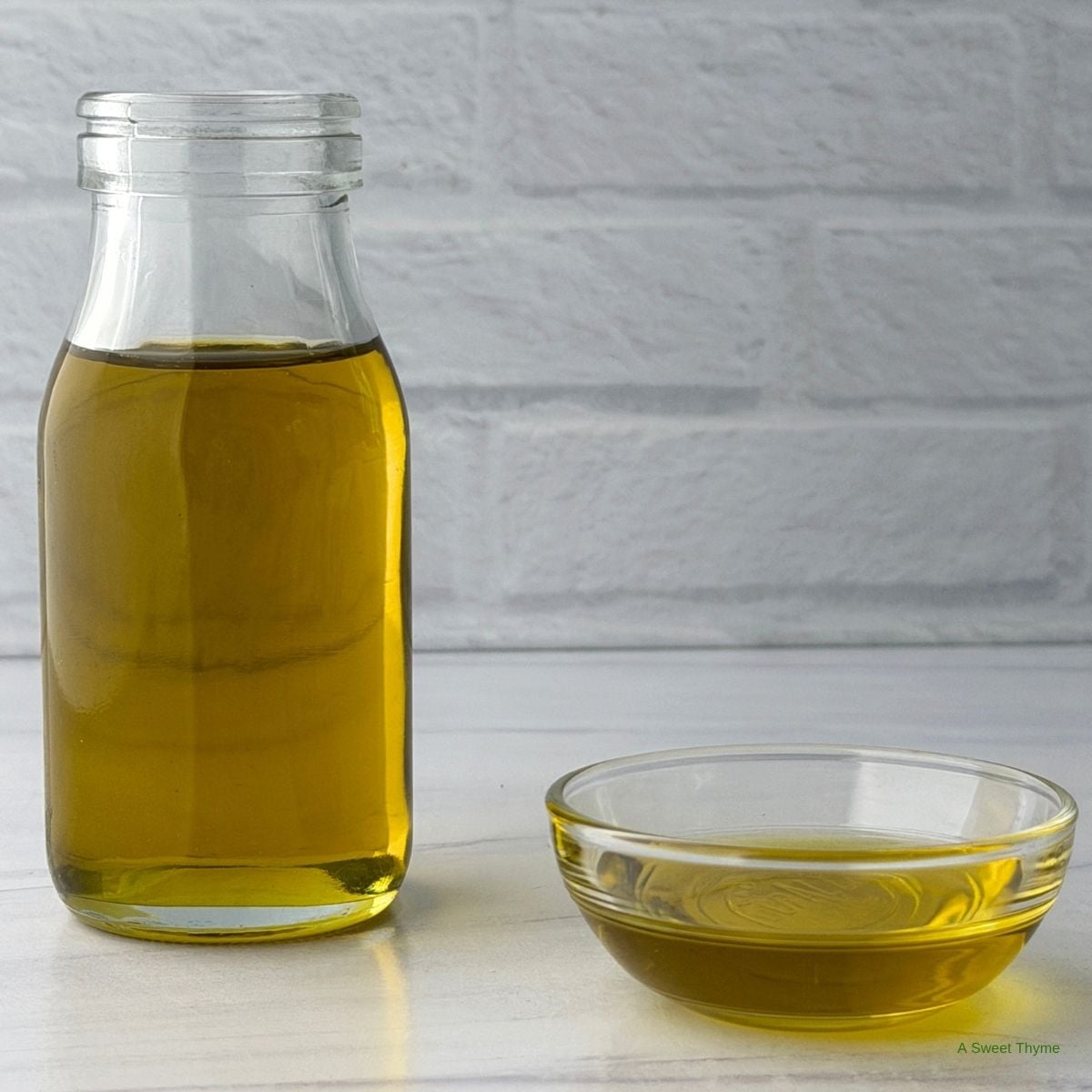
This is the backbone. It goes into the pan, into the dressing, and often drizzled over the finished dish. Quality matters here more than anywhere else in your pantry - a grassy, peppery finishing oil over roasted vegetables or a bowl of hummus is a completely different experience than a neutral oil.
Use a mid-range extra-virgin olive oil for cooking and a better bottle for finishing and dressings.
2. Acid
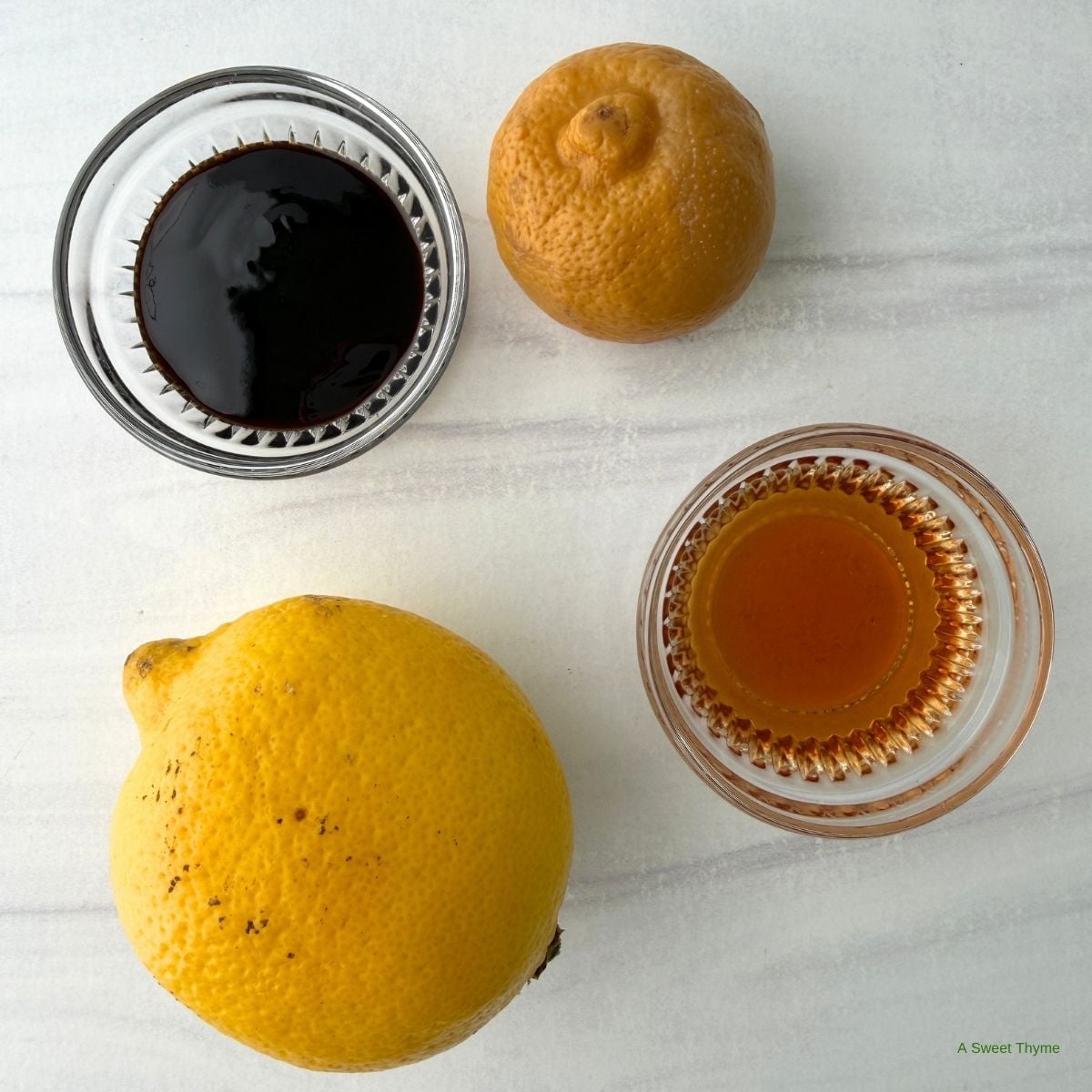
Lemon juice, red wine vinegar, pomegranate molasses, preserved lemon - acid is what keeps Mediterranean food from tasting heavy. It brightens, balances, and pulls flavors together. The rule: when something tastes flat, the answer is almost always a squeeze of lemon, not more salt.
Use fresh lemon here. Bottled doesn't give the same bright, clean result.
3. Fresh Herbs
Parsley, mint, dill, oregano, and cilantro are not garnishes. They are flavor. A handful of chopped flat-leaf parsley stirred into a grain dish at the end transforms it. Fresh herbs added at the finish (not cooked into submission) bring brightness that dried herbs cannot replicate.
4. Warm Spices
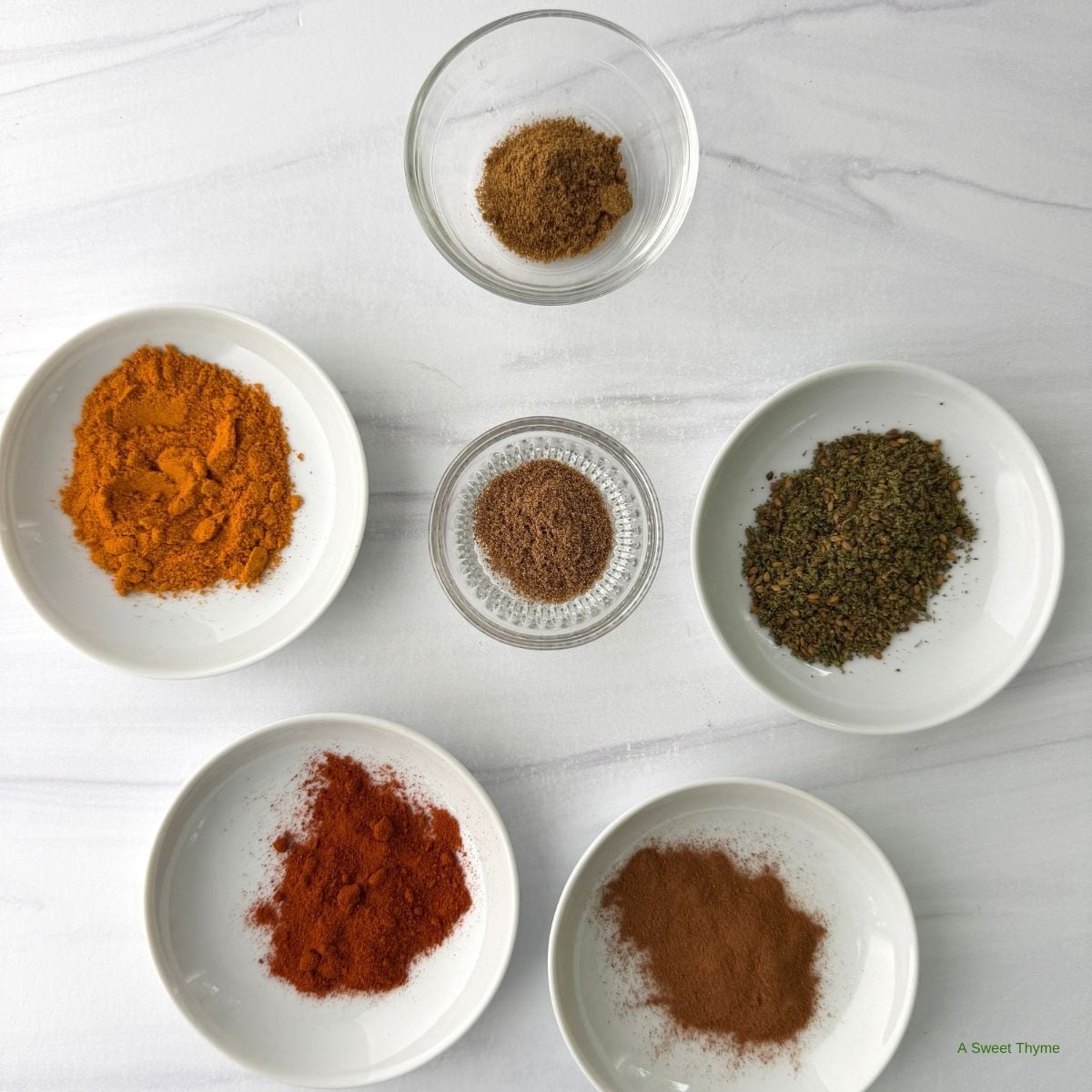
Cumin, coriander, smoked paprika, turmeric, cinnamon, za'atar - these spices build depth without heat. The key is blooming them: add spices to warm olive oil for 30 to 60 seconds before adding anything else. That step alone unlocks a richer, more complex flavor that no amount of seasoning at the end can reproduce.
5. Alliums (Onions)
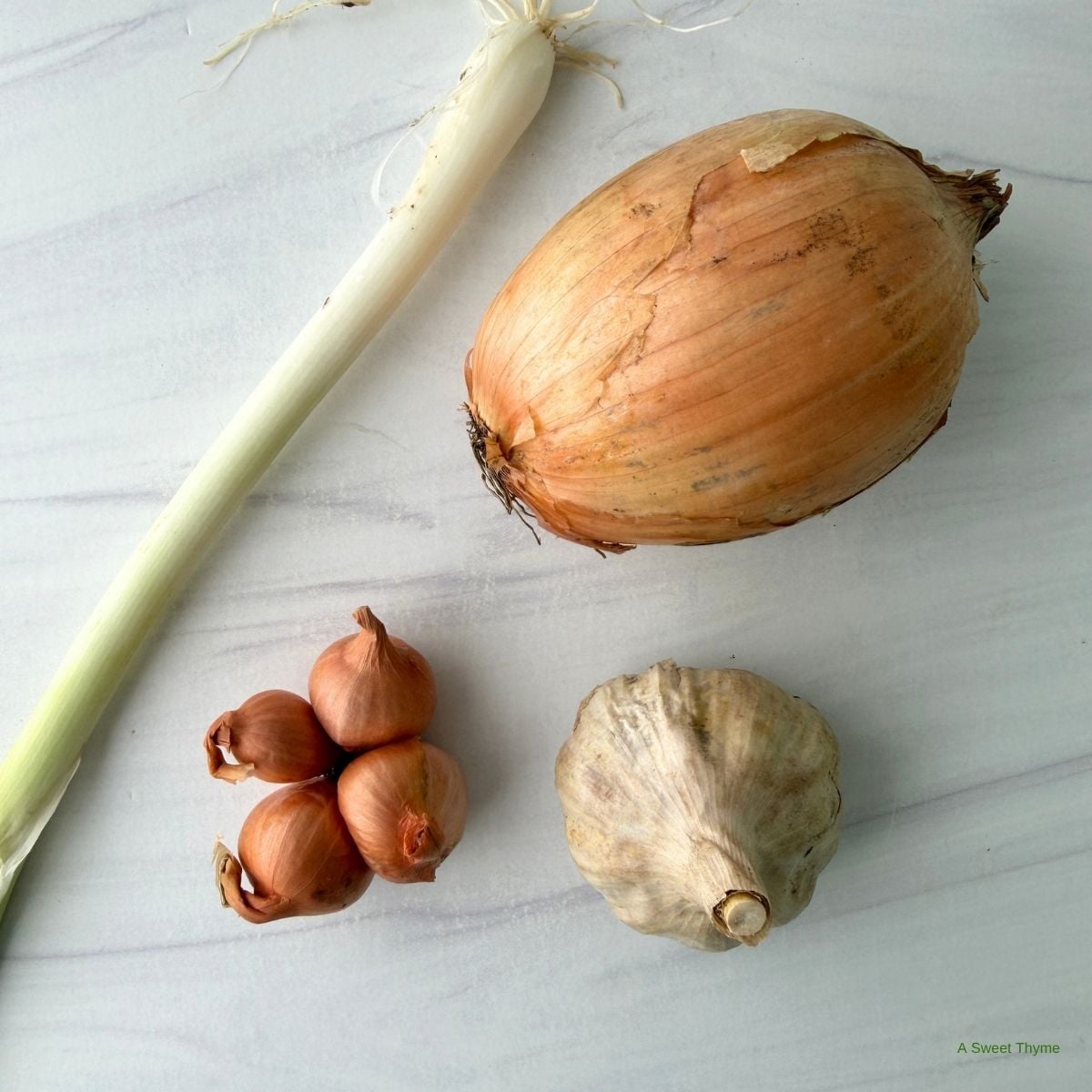
Garlic and onion are the foundation of most Mediterranean dishes, not an afterthought. Raw garlic in a vinaigrette, slowly caramelized onion in a braise, or crispy golden shallots over a salad - each technique draws out something completely different from the same ingredient. Take your time here.
Do You Want to Save This Recipe?
Enter your email & I'll send it to your inbox. Plus, get great new recipes from me every week!
By submitting this form, you consent to receive emails from A Sweet Thyme
The Mediterranean Pantry
A well-stocked pantry is what makes Mediterranean cooking weeknight-friendly. When the building blocks are already on your shelf, a flavorful dinner is never far away.
The non-negotiables: good extra virgin olive oil, tahini, canned chickpeas, canned San Marzano tomatoes, dried lentils, za'atar, sumac, a jar of good olives, quality feta (in the fridge), and lemons - always lemons.
See the Mediterranean Pantry Guide for the top 25 staples.
How to Build a Mediterranean Meal
This is the framework that makes everything click. Once you understand it, you don't need to follow a recipe to the letter - you can improvise with what's on hand.
The formula: Protein + Grain or Legume + Roasted or Fresh Vegetable + Sauce or Drizzle
Here's what that looks like in practice using recipes from this site:
A classic weeknight plate: Mediterranean Salmon (Baked, Lemon Oregano) alongside roasted vegetables and a simple herb vinaigrette. Bright, clean, and dinner-party-worthy on a weekday.
The one-pan version: Chicken Orzo Bake with Lemon and Parmesan builds the whole formula into a single dish - protein, grain, and sauce in one pan. Baking the chicken on top of the orzo keeps everything tender and deeply flavorful.
A vegetarian plate: Butter Bean Recipe (Gigantes Plaki) as the protein-and-legume anchor, served alongside a grain and a simple salad. Satisfying enough to stand on its own.
Four Core Techniques
You don't need to master a long list of methods. These four show up constantly in Mediterranean cooking - get comfortable with them and the rest follows naturally.
High-Heat Roasting
Roasting at 400°F or higher is what creates caramelized edges, deep flavor, and that satisfying contrast between crispy and tender. It works on vegetables, fish, and legumes. Do not crowd the pan! That is the single most common mistake. Crowding steams instead of roasts, and you lose all that color.
Try it first with Mediterranean Roasted Chickpeas or Roasted Carrots with Tahini. Both are simple enough to make on a weeknight and impressive enough to serve to guests.
One-Pan Braising
This is the technique behind every slow-cooked Mediterranean dish that tastes like it took all day. Sear the protein, build the sauce in the same pan, add liquid, and let it go low and slow. The result is tender, rich, and deeply savory with barely any active cooking time.
Chicken Marsala Thighs is a perfect example: one skillet, minimal effort, restaurant-style results.
Building a Sauce or Vinaigrette
This is the move that finishes a dish and ties it together. The formula is simple. Fat (olive oil or tahini) + acid (lemon or vinegar) + herb or spice. The application can be a dressing, a drizzle, a dipping sauce, marinade, or a finishing element over roasted vegetables or grain bowls.
Pan Fried Green Beans with Lemon Tahini shows this in action. The tahini sauce alone is worth knowing by heart.
Finishing with Fresh Herbs
This is one of the simplest things you can do to elevate any dish, and it's consistently underused. Adding a generous handful of chopped parsley, mint, or dill at the very end of your cooking preserves their brightness and keeps the dish from tasting flat or muddy. Add the herbs when you take your food off the heat. Don't skip this step.
Common Beginner Mistakes
- Using a low-quality olive oil. In cuisines where olive oil is used as a finishing element, quality is noticeable. It doesn't have to be expensive - it just has to taste like something.
- Skipping the acid at the end. If a dish tastes almost right but something is missing, it's almost always lemon or a splash of vinegar. Add it after you taste, not before.
- Seasoning only with salt. Mediterranean cooking layers spice throughout the cooking process - blooming spices in oil at the beginning, finishing with herbs at the end. Salt alone doesn't build that kind of depth.
- Treating herbs as decoration. A sprig of parsley placed on top of a finished dish does nothing. A handful stirred in at the end does everything. Use them generously and at the right moment.
- Ignoring texture contrast. Mediterranean food is rarely one-note in texture. Creamy hummus with crispy pita. Tender braised chicken with a bright herb salad on top. Smooth tahini with crunchy roasted chickpeas. Build contrast into every plate.
Five Recipes to Make First
These five recipes are the best on-ramp to Mediterranean cooking. Together they cover the key techniques, the core flavor pillars, and the full range from no-cook to slow-braised without overwhelming you.
- Chickpea Cucumber Feta Salad - No cooking required. This recipe is the Mediterranean flavor formula in its purest form. Legumes, acid, herbs, olive oil, and a salty, creamy element. Make it first. It teaches you more about how the flavors work together than any technique post can.
- Mediterranean Salmon - This one has a simple technique with a big payoff. This is the kind of recipe that makes you look like you tried harder than you did. The lemon and oregano combination is a classic for a reason, as it's bright, herby, and deeply savory all at once.
- Butter Beans (Gigantes Plaki) - This is Mediterranean comfort food at its most satisfying. Slow-baked beans in a garlicky, herby tomato sauce. It's vegetarian, make-ahead friendly, and tastes even better the next day.
- Cauliflower and Mushrooms - This skillet recipe teaches you how to build flavor in layers. Start with the alliums, add the vegetables in stages, and finish with herbs. It's one of those side dishes that quietly steals the show.
- Homemade Pita Chips with Za'atar - Think of this as your introduction to za'atar. Za'atar is one of the most versatile spice blends in the Mediterranean pantry. Once you make these, you'll find yourself putting za'atar on everything. That's completely normal.

Ready to Cook?
Mediterranean cooking rewards curiosity. The more you make, the more you'll understand how the flavors work together. These recipes will make you more confident and help you to improvise. Start with one recipe from the list above, stock your pantry with the essentials, and let the cooking do the teaching.
Explore The Mediterranean Pantry → The Mediterranean Pantry: 25 Staples That Make Every Meal Better
Explore all Mediterranean recipes → Recipe Index
Anonymous says
The recipes listed look relishes and the direction is very good. The chickpea cucumber feta salad is delish.