

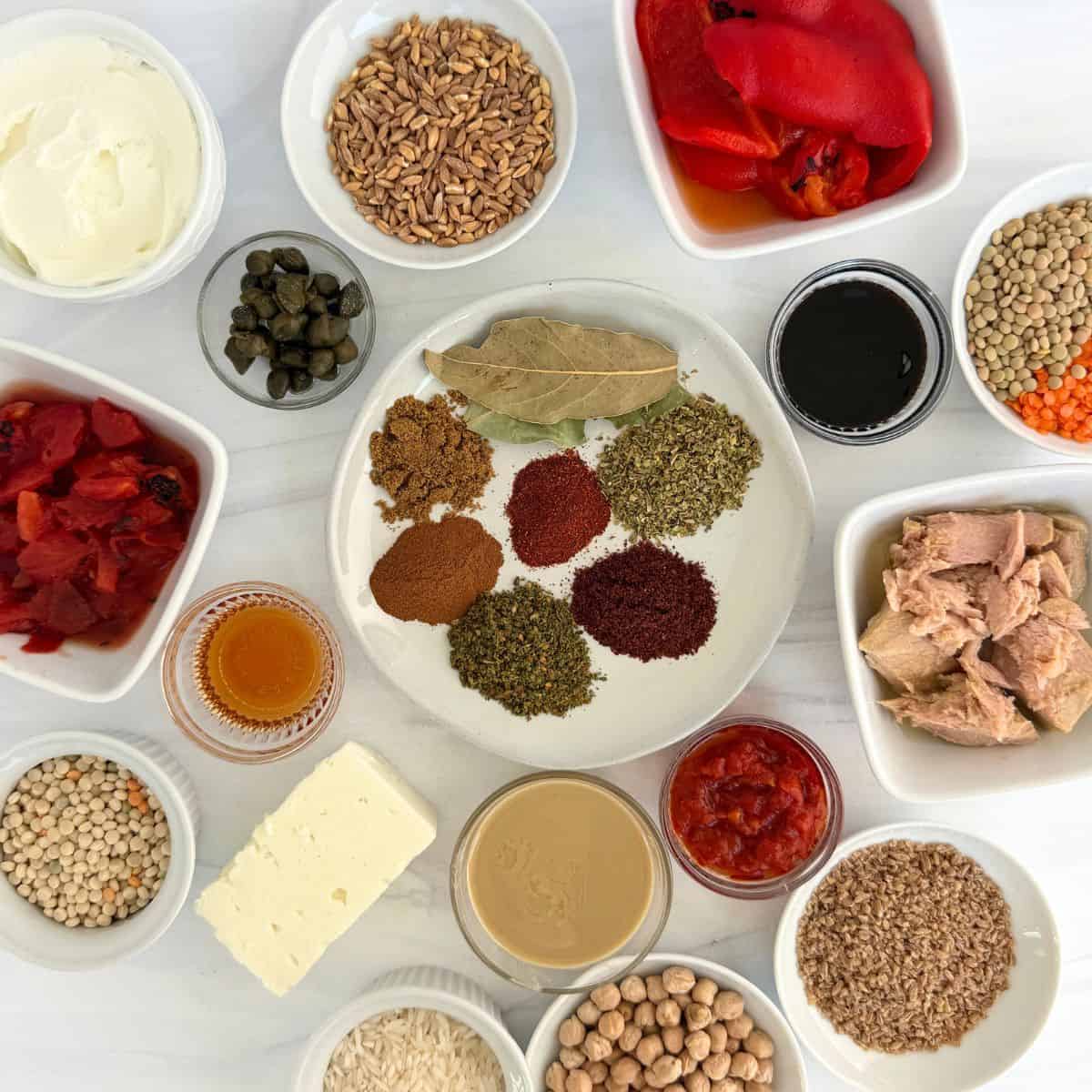
A well-stocked Mediterranean pantry is the difference between staring into your fridge at 6 pm and pulling together a deeply flavorful dinner in 30 minutes. These are the ingredients that do the heavy lifting. No fussy technique required, just good building blocks and a little know-how. If you would like to learn how to put these all together, then Mediterranean Cooking 101 will help.
Jump to:
Mediterranean cooking isn't a single cuisine. It draws from the kitchens of Greece, Lebanon, Turkey, Israel, Spain, Morocco, and beyond. What they share is a philosophy: fresh herbs, good olive oil, legumes, whole grains, and bold yet balanced flavors. Keep these staples on hand and you'll cook better every single day.
Why a Mediterranean Pantry Works
Before we get into the list, here's what makes this pantry different from a generic "healthy eating" approach:
- It is ingredient-led, not recipe-led. When you have the right staples, meals come together naturally.
- The flavors layer. A drizzle of good olive oil, a squeeze of lemon, a handful of herbs - these aren't add-ons, they're a key part of the recipe.
- It is genuinely shelf-stable. Most of what's on this list keeps for months. This is a pantry built for real life.
The Oils & Vinegars
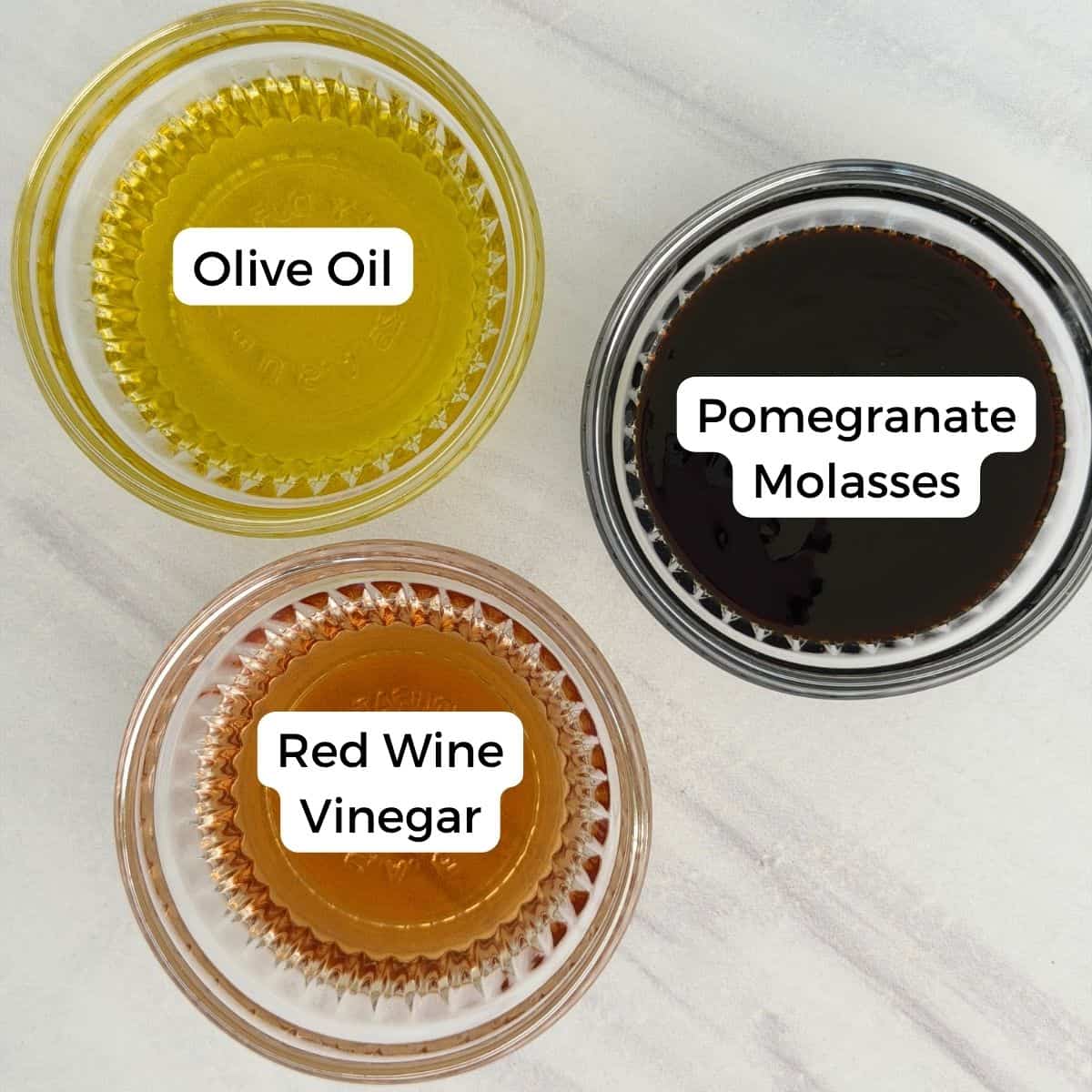
1. Extra Virgin Olive Oil
What to look for: Single-origin, cold-pressed, with a harvest date on the label. Greek, Spanish, and Italian oils each have a slightly different flavor profile. Experiment and find your favorite.
How I use it: Over roasted vegetables, in salad dressings, swirled into soups, and anytime a dish needs a final "lift."
2. Red Wine Vinegar
Tangy, bright, and deeply versatile. Red wine vinegar is the backbone of so many Mediterranean vinaigrettes and marinades. It brings acidity without the sharpness of white vinegar and adds a complexity that apple cider vinegar simply doesn't match in these dishes.
3. Pomegranate Molasses
This one surprises people, but it's a staple in Lebanese and Syrian cooking and once you start using it, you'll wonder how you cooked without it. It's tangy, sweet, and rich all at once. A tablespoon goes into salad dressings, marinades, and dips. It's brilliant over roasted cauliflower or stirred into yogurt.
Do You Want to Save This Recipe?
Enter your email & I'll send it to your inbox. Plus, get great new recipes from me every week!
By submitting this form, you consent to receive emails from A Sweet Thyme
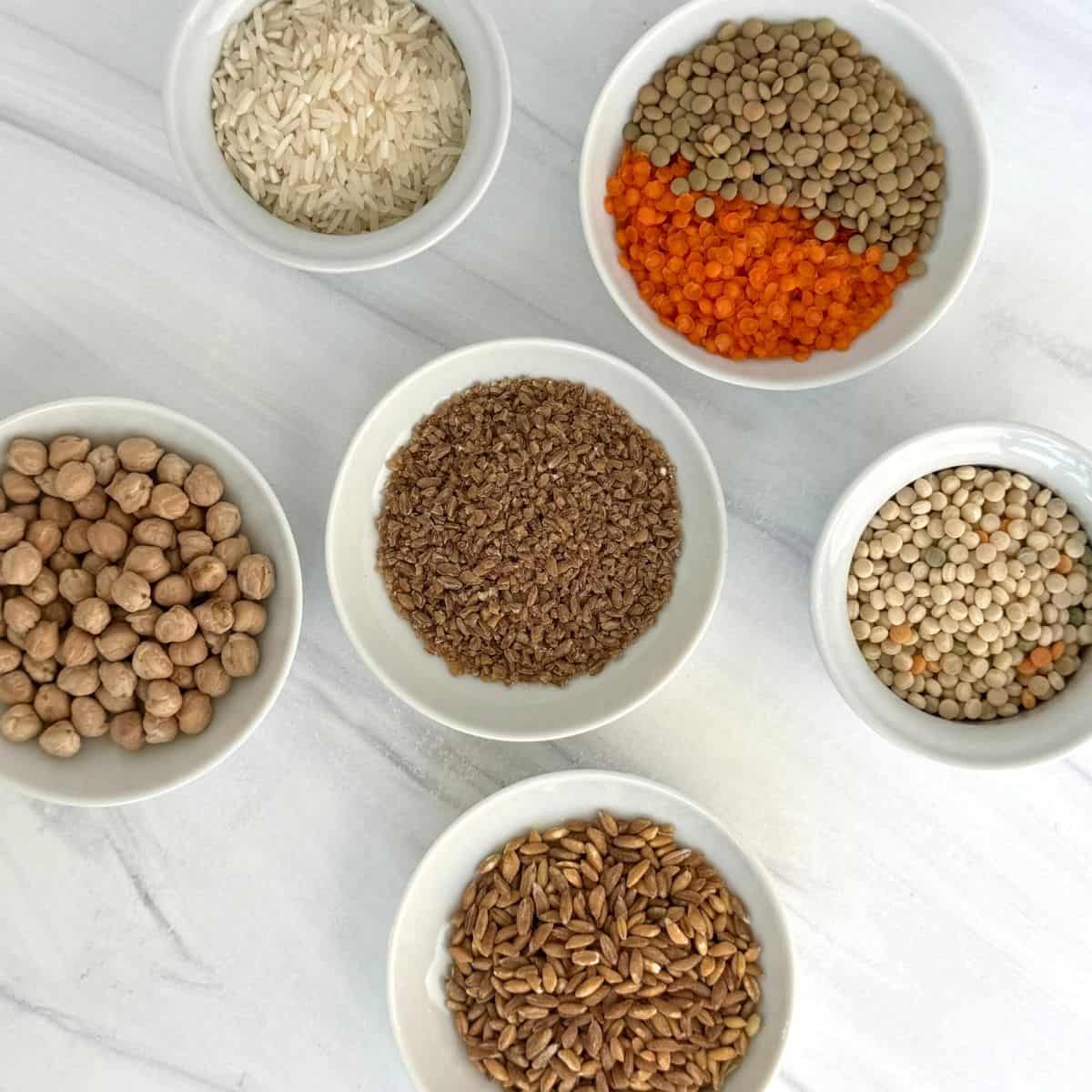
The Grains & Legumes
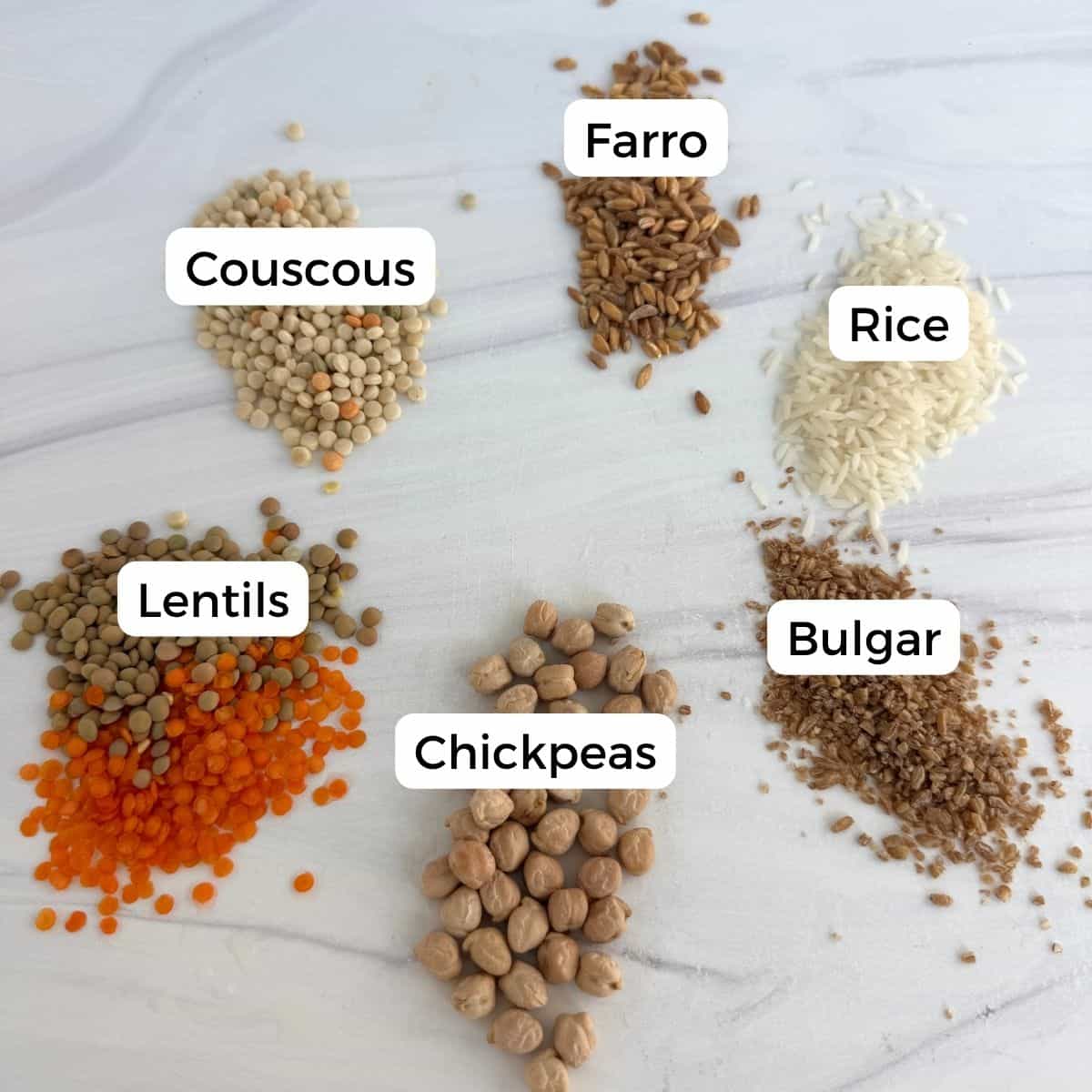
4. Dried Chickpeas (and Canned)
Chickpeas are the workhorse of the Mediterranean kitchen. Dried chickpeas, soaked and cooked from scratch, have a creamier texture and better flavor. A can of good-quality chickpeas is a weeknight lifesaver, so keep both on hand.
Use them in: Hummus, sheet pan dinners, soups, grain bowls, and roasted as a crunchy snack (this Mediterranean Roasted Chickpeas recipe is a good place to start) but I also love them in a salad like the Chickpea Cucumber Salad.
5. Lentils
French green lentils and red lentils are both worth stocking. French lentils hold their shape beautifully for for dishes like this Mediterranean Lentil Salad with Feta and Olives. Red lentils break down into a silky, satisfying soup in under 30 minutes. No soaking required for either.
6. Farro
Farro is a nutty, chewy ancient grain that holds up beautifully in salads. Better than quinoa, in my opinion, because the texture stays interesting even after it cools. It's also wonderful as a base for roasted vegetables or as a side with braised lamb.
7. Orzo
Orzo bridges the line between pasta and grain, and it's one of the most useful things in my pantry. It cooks in 8 minutes, absorbs flavor beautifully, and works hot or cold. I reach for it constantly in soups, baked under chicken, and in cold salads with lots of herbs. I also love orzo as a side dish or any time I want to replace pasta or a grain.
8. Bulgur Wheat
Traditional in Turkish and Lebanese cooking, bulgur cooks quickly. It just needs hot water and 20 minutes. It's the base of classic tabbouleh, but also wonderful as a pilaf or as a side with roasted meats.
9. Couscous
Couscous is technically pasta (tiny semolina pasta) and it's the fastest thing you can cook in this category. Pour boiling broth over it, fluff with a fork after 5 minutes. Done. Use it as a bed for saucy vegetables, tagines, and roasted fish.
10. Rice (Long-Grain and Basmati)
A Mediterranean pantry without rice is unthinkable. Long-grain white rice and basmati both feature heavily in Greek, Turkish, and Middle Eastern cooking. The pilaf technique, which involves toasting the rice in butter or olive oil before adding liquid, makes a world of difference.
The Canned & Jarred Essentials
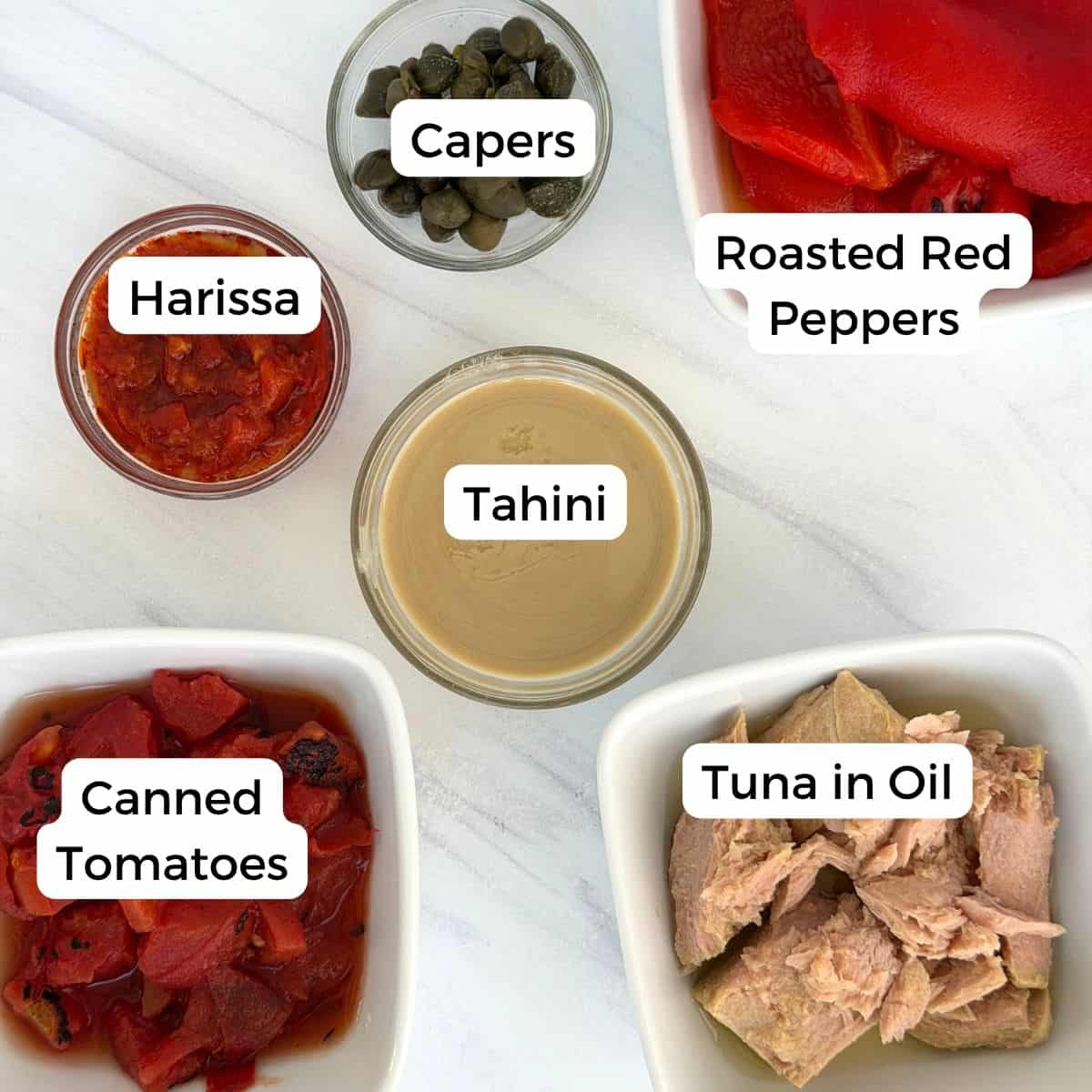
11. Whole Peeled or Crushed Tomatoes
Quality canned tomatoes are non-negotiable. San Marzano-style tomatoes are sweeter and less acidic than generic crushed tomatoes. They're the foundation of so many sauces, braises, and soups.
12. Roasted Red Peppers (Jarred)
A jar of roasted red peppers gives you smoky, sweet depth with zero effort. Add them to dips, layer them into sandwiches, blend them into sauces, or toss them with white beans and olive oil for an instant side dish.
13. Tahini
Sesame paste. The MVP of the Middle Eastern pantry. Good tahini should be runny, pale, and mildly nutty, not thick or bitter. It goes into hummus, salad dressings, dips- and it's the star of this Roasted Cauliflower with Tahini. Look for 100% ground sesame seeds with no additives.
Pro tip: Once opened, store tahini in the fridge and stir before using. The oil separates naturally.
14. Harissa
A North African chile paste made from roasted red peppers, garlic, caraway, and spices. It brings heat, depth, and complexity all at once. Stir it into yogurt, swirl it into soup, use it as a marinade, or spread it on a sandwich. A little goes a long way.
15. Good-Quality Tuna (in Olive Oil)
Canned fish gets unfairly dismissed. A tin of high-quality tuna packed in olive oil (the Italian or Spanish varieties) is a completely different product from the water-packed grocery-store staple. It's ready to eat, rich, and protein-packed. Use it in salads, pasta, or just on good bread with capers.
16. Capers
Small, briny, punchy. Capers bring acidity and salinity to dishes in a way that's hard to replicate. A handful transforms a pasta, a chicken dish, or a simple salad dressing. They're one of those ingredients that does 80% of the flavor work with 20% of the effort.
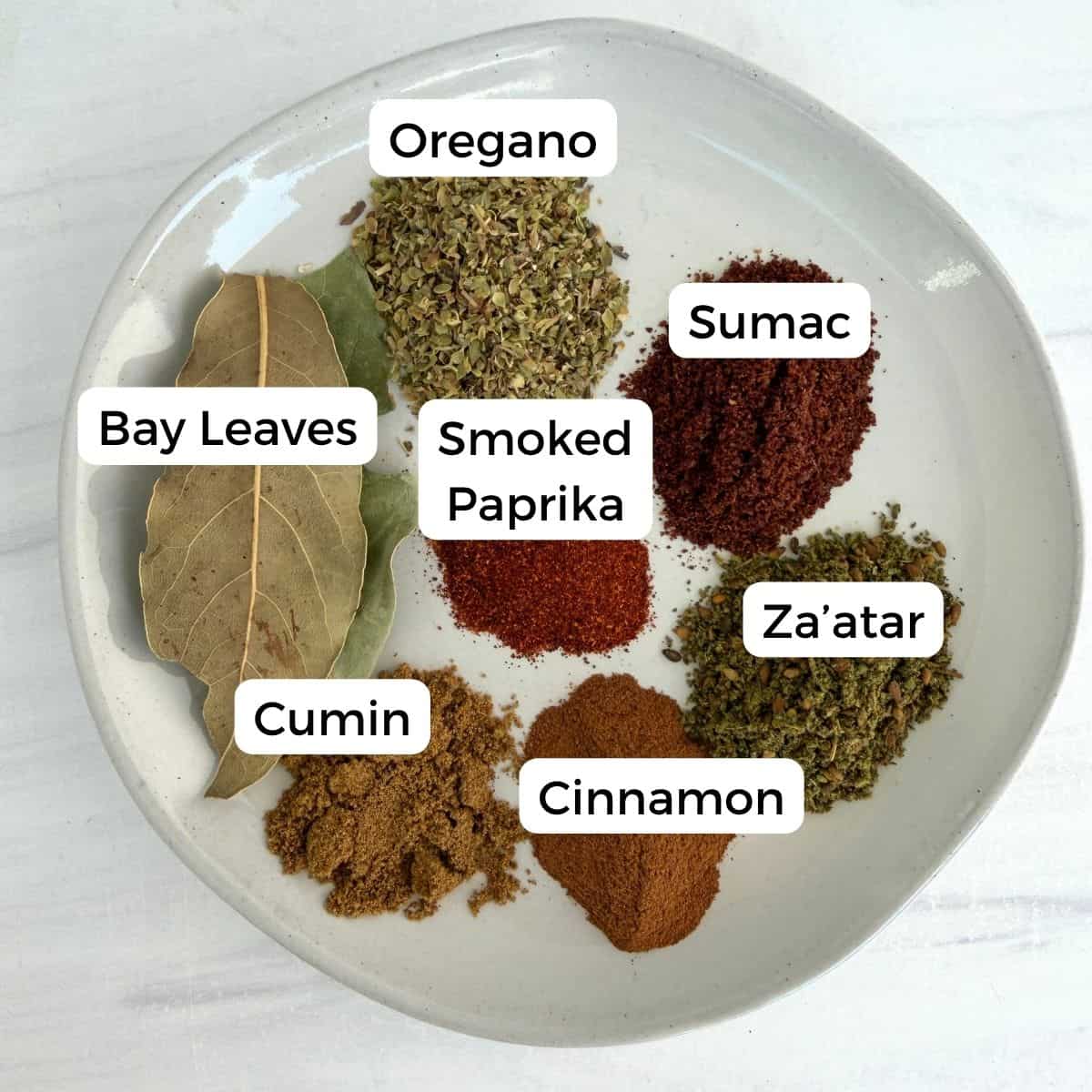
The Spice Cabinet
17. Sumac
Ground sumac is one of the most underused spices in American home kitchens. It's deeply tart and almost lemony, with a beautiful ruby color. Sprinkle it over salads, hummus, grilled chicken, or roasted vegetables. It's what goes on a fattoush salad and what makes this Turkish Roasted Eggplant Salad so distinctly bright.
18. Za'atar
A dried herb blend typically made from thyme, sumac, sesame seeds, and sometimes oregano. It's essential in Israeli, Lebanese, and Palestinian cooking. Mix it with olive oil and brush it on flatbread before baking, sprinkle it over labneh, or use it as a marinade the way it's used in this Middle Eastern Chicken.
19. Smoked Paprika
Rich, earthy, and gently smoky. Smoked paprika adds depth to braises, roasted vegetables, and spice rubs. It's particularly at home in Spanish-influenced dishes like patatas bravas, chicken with chorizo, or romesco sauce. A spoonful finishes this White Bean Dip beautifully.
20. Cumin
Warm, slightly earthy, and deeply savory. Cumin runs through so much of Mediterranean and Middle Eastern cooking. Both whole seeds (toasted and bloomed in oil) and ground cumin are worth having.
21. Cinnamon
Not just for baking. In Greek, Moroccan, and Lebanese cooking, cinnamon shows up in savory dishes like lamb stews, rice pilafs, and spiced ground meat. It adds a subtle warmth that rounds out heavy flavors beautifully.
22. Dried Oregano
Mediterranean oregano, especially the Greek variety, is more pungent and aromatic than the Italian kind. It's non-negotiable for Greek cooking. Add it to marinades, tomato sauces, and anything destined for the grill.
23. Bay Leaves
Slow-cooked beans, braised meats, stocks, and rice pilafs all benefit from a bay leaf or two. They add a subtle herbal undertone that deepens over long cooking. Use dried; they're perfectly effective.
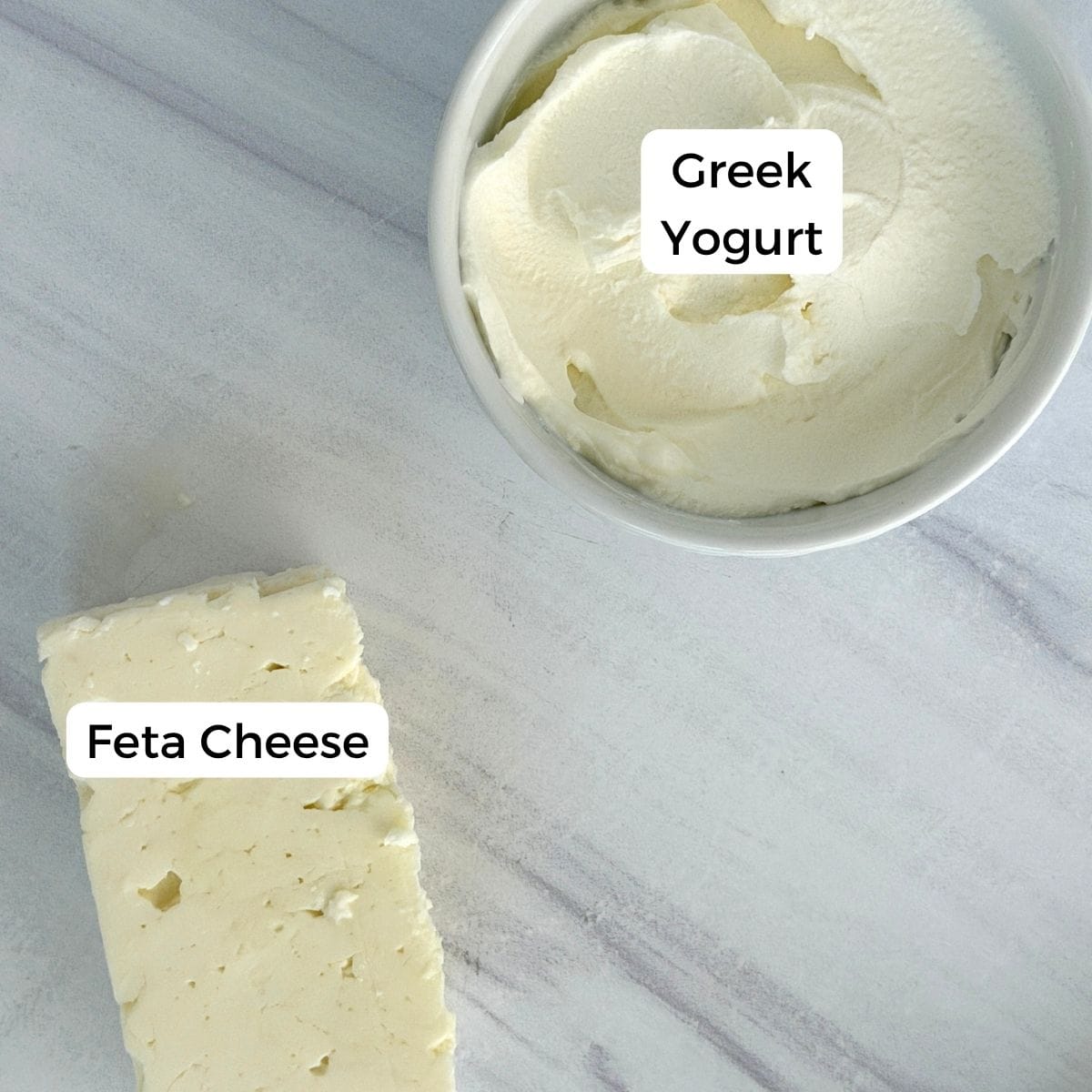
The Refrigerator Staples
24. Feta Cheese
Feta is one of the most useful finishing ingredients in a Mediterranean kitchen. It goes on everything: like this Arugula Salad with Dates, Feta, and Pistachio, roasted vegetables like Zucchini with Feta, baked eggs, pastas, and flatbreads. Always buy feta packed in brine, not pre-crumbled. The texture and flavor are meaningfully better.
Look for: PDO-designated Greek feta, which is made from sheep's and goat's milk and has a creamier, more complex flavor than the generic version.
25. Plain Greek Yogurt (Full-Fat) and Labneh
Greek yogurt is a condiment, a sauce base, a marinade, a dip, and a dessert component. Full-fat is worth it because the texture is creamier and it doesn't break when you cook with it. Thin it with lemon and olive oil for a quick sauce like this Lemon Yogurt Sauce with Mint and Garlic. Mix it with cucumbers and mint for tzatziki, or just serve it alongside anything spiced and roasted.
Labneh is simply Greek yogurt that has been strained further into a thick, tangy cheese. Spread it on a plate, drizzle it with olive oil and a pinch of za'atar, and you have an instant appetizer that looks and tastes restaurant-worthy. It is a cool, creamy contrast to anything roasted and spiced, like this Mediterranean Eggplant with Lemon Yogurt Sauce. You can find it at Middle Eastern grocery stores or make your own by straining full-fat Greek yogurt overnight through cheesecloth.
How to Start Building Your Mediterranean Pantry
You don't need everything on this list at once. Here's how to approach it:
Week 1 - The Non-Negotiables - Start with extra virgin olive oil, canned chickpeas, red wine vinegar, tahini, dried oregano, sumac, and feta. These alone will transform your cooking.
Week 2 - The Flavor Builders - Add lentils, farro, roasted red peppers, harissa, smoked paprika, and cumin. Now you can make deeply flavorful soups, grain bowls, and one-pan dinners.
Week 3 - The Finishing Touches - Bring in pomegranate molasses, za'atar, capers, quality canned tuna, cinnamon, and Greek yogurt. At this point, your pantry is working for you every single night.
Check out the Mediterranean Cooking 101 Guide for recipes and more!
Mediterranean Pantry Staples FAQ's
Extra virgin olive oil, without question. It's a cooking fat, a finishing oil, and central to the flavor of nearly every dish in the Mediterranean tradition.
Not if you build it gradually. Most of these staples are affordable per-use. A bag of lentils or a jar of tahini goes a long way. The highest-quality olive oil is the one area worth investing a bit more.
Most pantry items, including grains, canned goods, and dried spices, keep for 6 months to a year or longer. Tahini and harissa should be refrigerated after opening. Olive oil keeps best stored away from heat and light and used within a year of the harvest date.
Yes, with a few swaps. Chickpeas, lentils, rice, olive oil, tahini, and the spice blends are all naturally gluten-free. For grains, swap farro, bulgur, and orzo with rice or polenta.
It emphasizes vegetables, legumes, whole grains, healthy fats from olive oil, and lean proteins like fish and chicken. The focus on fresh herbs and spices for flavor means you're not relying on heavy sauces or excess salt.
Leave a Reply